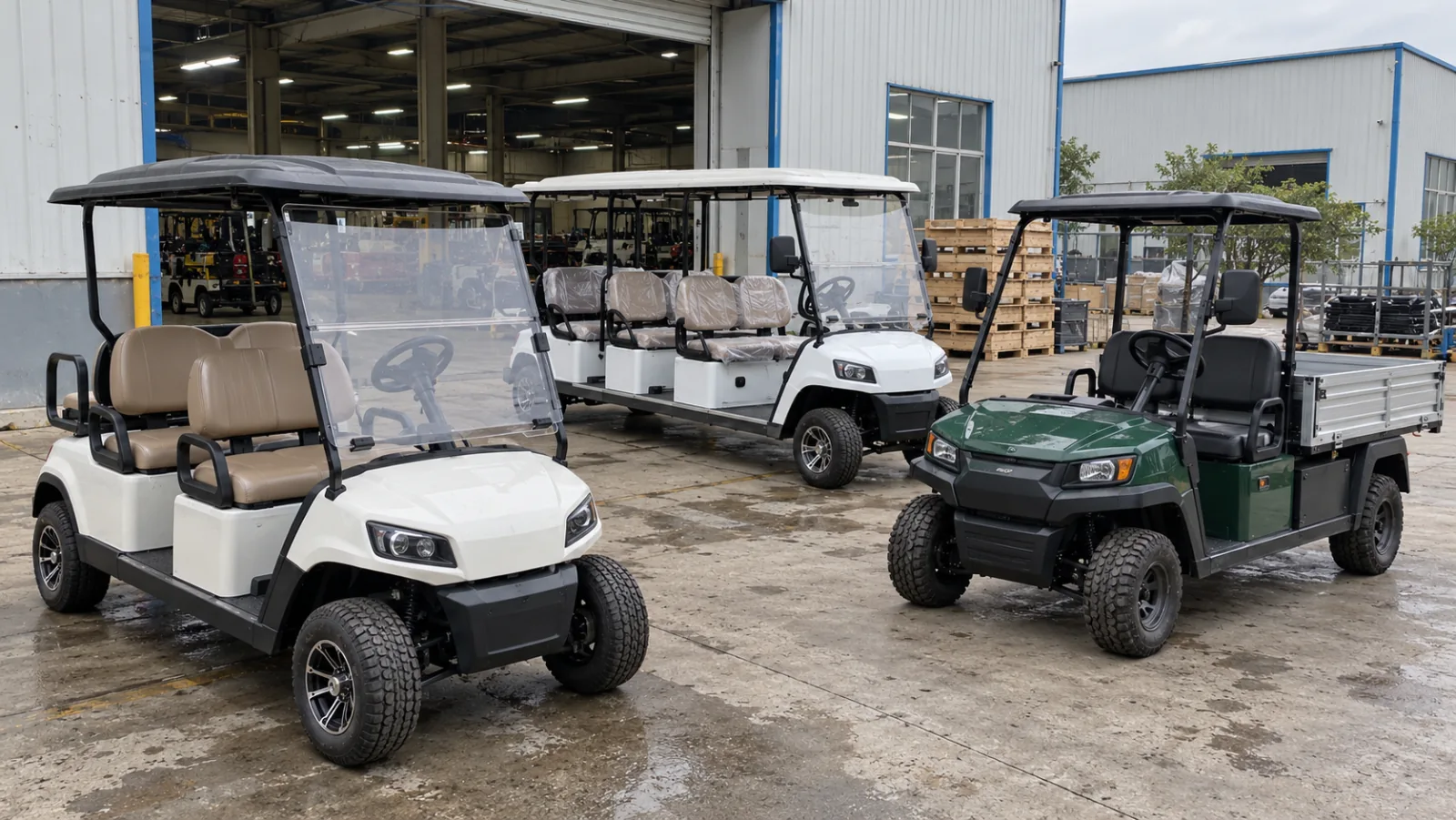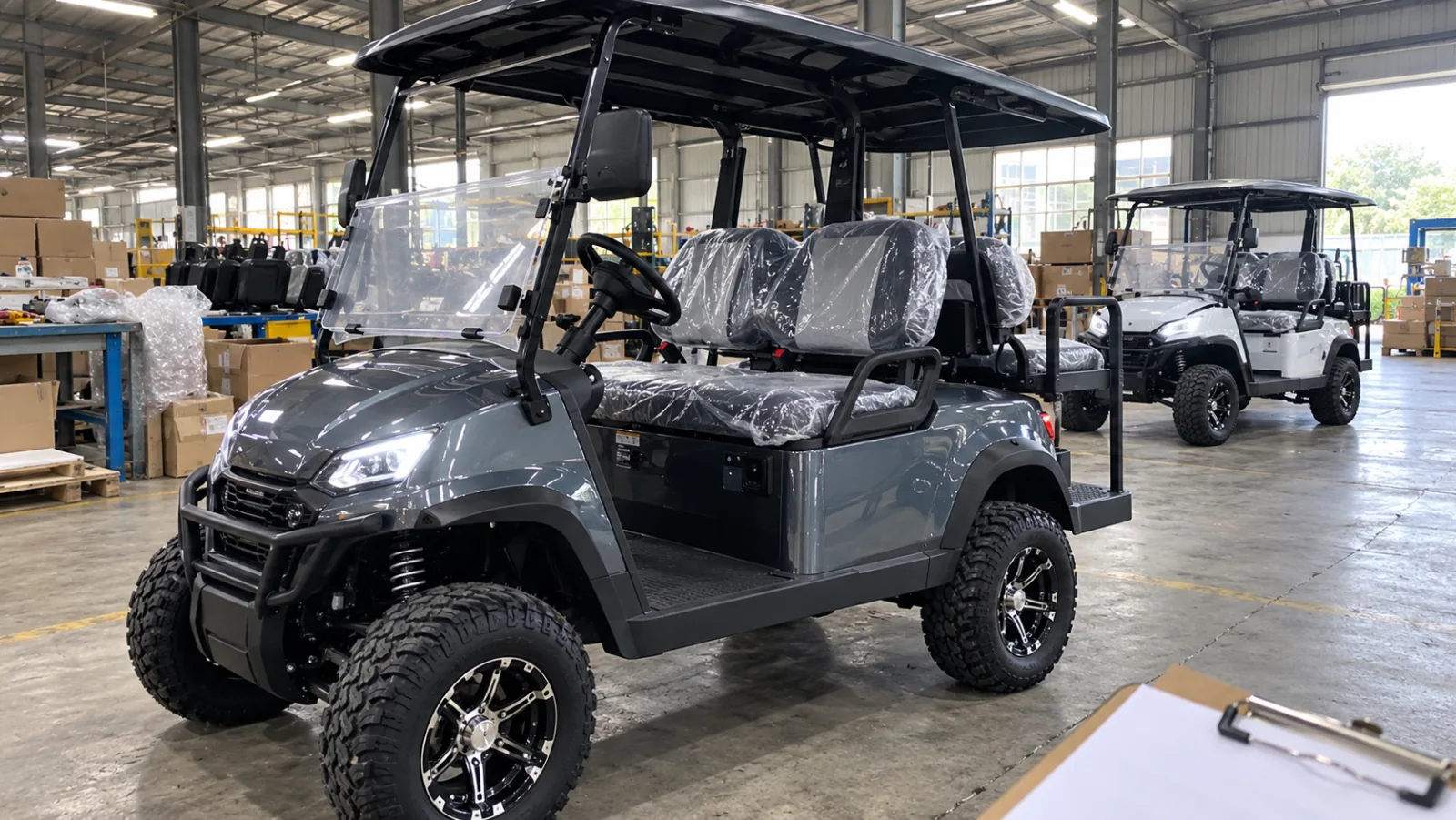
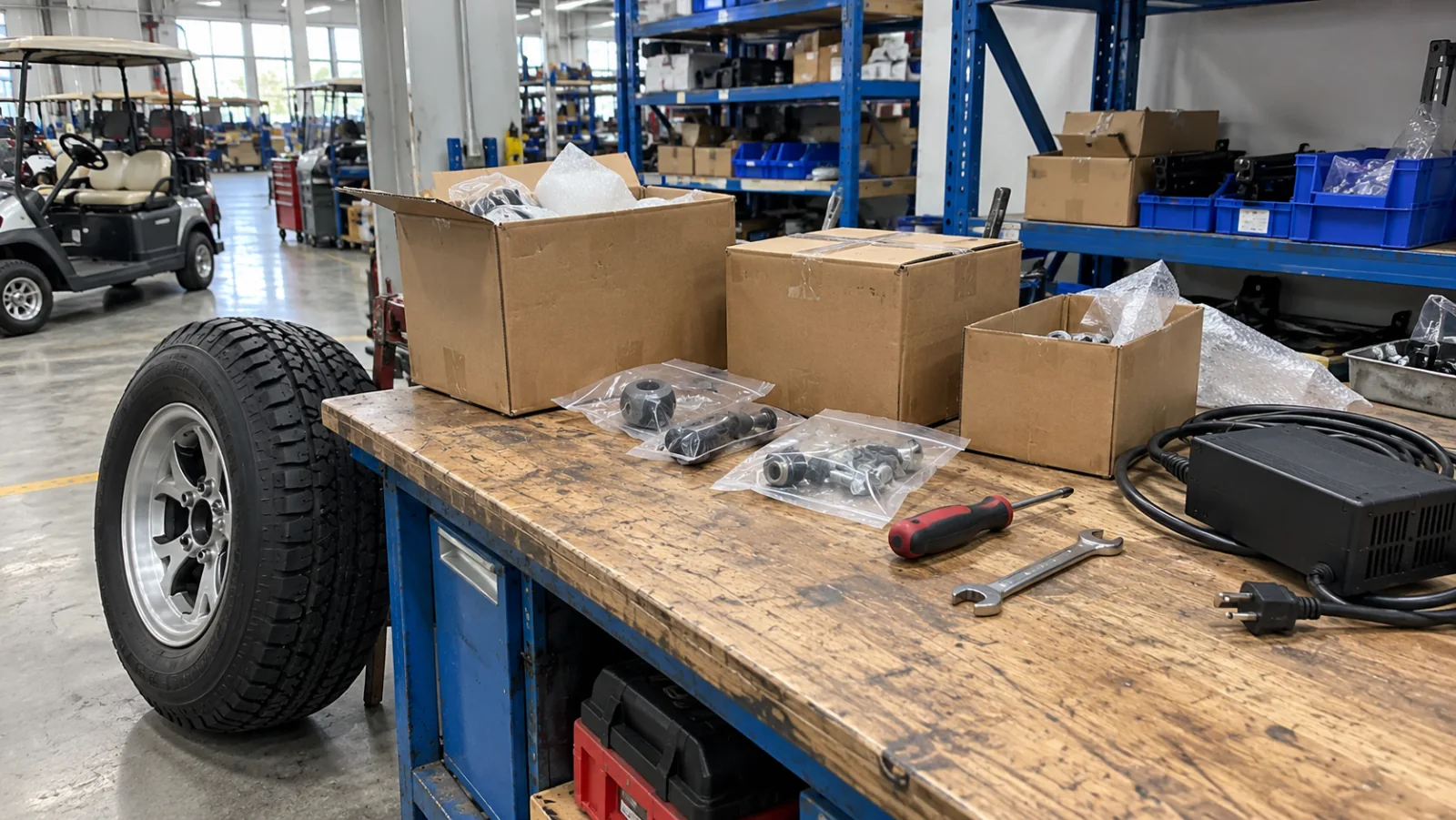
Start a spare-parts plan with the exact vehicle configuration and a supplier-confirmed parts list. Separate routine wear items from components whose failure would interrupt service, then agree quantities, availability, replenishment timing and installation responsibilities in writing. A generic kit or a matching photograph does not establish compatibility.
Create a traceable parts record for purchasing staff, the supplier and the service provider. This guide extends the fleet buying checklist into handover and ongoing support.
Build an identification record for each configuration
Find the public model and reference revision in the specification index: 2025 model year, revision 20250901. Ask the supplier to identify changes in the ordered configuration. Keep separate records for different batteries, chargers, bodywork or equipment.
| Identification field | What to record | Supplier confirmation needed |
|---|---|---|
| Vehicle model | Public model, order reference and vehicle identifier when available | Which vehicles this parts record covers |
| Configuration revision | Published revision and approved order changes | Current configuration and applicable document version |
| Component identity | Component description, label and part identifier supplied privately | Exact replacement reference and any approved substitute |
| Photographs | Overall location, label and relevant connection views | Whether more identification evidence is required |
| Matching decision | Proposed component and written approval reference | Compatibility, required related items and installation instructions |
Retain private component identifiers in the service record. Photographs support identification; collect them according to approved documentation without unauthorised disassembly.
Sort the first-order request by operational consequence
The parts and service FAQ identifies controllers, motors, chargers, body panels, glazing and wear items. Request a quotation for each model and revision; a category listing does not establish stock or an included package.
| Parts category | Basis for a first-order decision | Confirm before approval |
|---|---|---|
| Wear items | Approved maintenance requirements, site conditions and expected use | Applicable items, inspection criteria and replacement procedure |
| Controllers and motors | Effect of downtime, service capability and replenishment route | Exact variant, matching requirements and approved installer |
| Chargers | Charging arrangement and impact of losing a charging position | Battery compatibility, charger variant and operating instructions |
| Body panels and glazing | Vehicle variant, damage exposure and repair arrangements | Dimensions, fittings, finish and packing requirements |
A listed expensive component is not automatically essential stock. A small wear item may matter if its absence prevents an approved repair. Review downtime and recovery options with the maintenance team.
Agree who diagnoses, supplies and installs
Name the person who logs a fault, the supplier contact who confirms the replacement, the person who authorises the purchase and the service provider who carries out the work. Agree what information is needed for diagnosis and matching before an outage occurs.
Request the applicable manuals and service instructions before accepting a maintenance proposal. Those documents determine inspection, maintenance and installation requirements, including intervals and procedures. Ask separately about support terms, any warranty documents and local service arrangements. Parts availability does not by itself establish on-site service or warranty cover.
Keep approval attached to the shipment
Before dispatch, compare the approved parts list with the packing list. Ask for labels that allow received items to be matched to the relevant vehicles and approval record. Resolve substitutions in writing, including associated components or instructions.
At receipt, record quantities, identifiers, visible condition and discrepancies through the agreed reporting process. Store the relevant manuals, quotation, packing records and matching approvals together. Ask for component-specific storage requirements rather than assuming every item can share the same shelf conditions. Keep unidentified or unapproved items separate until their status is resolved.
Replenish from observed use and confirmed timing
After handover, log parts issued, the vehicle concerned, the reason and date. Distinguish scheduled replacement, diagnosed failure, transport damage and accidental damage so one unusual event does not become a routine consumption assumption. Record open orders and stock.
Review replenishment when actual usage, fleet size, component revisions or supplier timing changes. A planning trigger can use expected consumption over the confirmed replenishment period plus a justified service-continuity allowance. Rarely used critical parts and frequent wear items need different allowances. Mark assumptions and set a review date where history is limited.
For battery or charger changes, use the battery planning guide and request a new compatibility decision. Do not carry approval for an earlier configuration into a revised order.
A parts request you can copy
Replace the brackets and mark unresolved fields “to confirm”.
- Fleet: [models, quantities, configuration revisions and vehicle identifiers if available].
- Operation: [tasks, observed or estimated use, site conditions and service-continuity needs].
- Requested list: [wear items, controllers, motors, chargers, panels and glazing for each configuration].
- Identification: [component descriptions, existing references and photographs available by email].
- Please confirm: [matching, quantities proposed, availability, replenishment timing, packing and exclusions].
- Service responsibilities: [diagnosis contact, purchase approver, installer and required manuals or support documents].
Send the text through the enquiry form. Send photographs and files using the email option on the contact page; the form has no attachment upload. Dealers planning repeat orders can discuss consistent configuration records through the distributor programme.
Frequently asked questions
Should every vehicle have an identical spare-parts kit?
Only if the supplier confirms that the relevant configurations share those parts. Similar model names, voltage or appearance do not confirm interchangeability. Keep the written matching decision with the order.
Should controllers and motors always be stocked locally?
Ask the supplier and service provider to assess downtime impact, diagnostic capability and confirmed replenishment timing. This guide cannot establish a universal stocking quantity or local availability.
Can the parts quotation replace the maintenance manual?
No. A quotation identifies the commercial offer. Obtain the approved documentation governing inspection, maintenance and installation, and confirm who is responsible for performing that work.
Sources and scope
The category scope comes from the site FAQ and distributor programme. Model references use the manufacturer specification index, 2025 revision 20250901. These are first-party sources, not an independently verified parts catalogue. The worksheets are procurement tools; actual part numbers, compatibility, stock, lead times, quantities, service and any warranty terms require order-specific written confirmation.
← Back to all guides